



Le choix de la bonne technologie laser peut sembler écrasante, surtout lorsque les UV, fibre, and CO₂ lasers all seem powerful but serve very different needs. Whether you’re starting your first engraving business or upgrading your fabrication workshop, selecting the right type of laser can mean the difference between smooth growth and frustrating limitations.
À ComMarkerName, we offer cutting-edge UV and fiber laser solutions designed for serious creators. Dans ce guide, we’ll break down the differences between UV, fibre, and CO₂ lasers so you can confidently decide which fits your shop best.
1. How Each Laser Type Works
Lasers UV
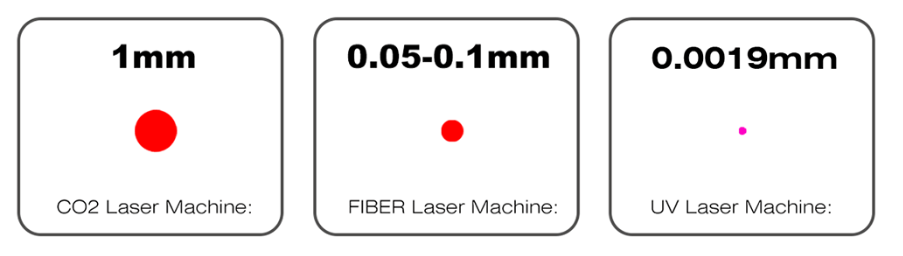
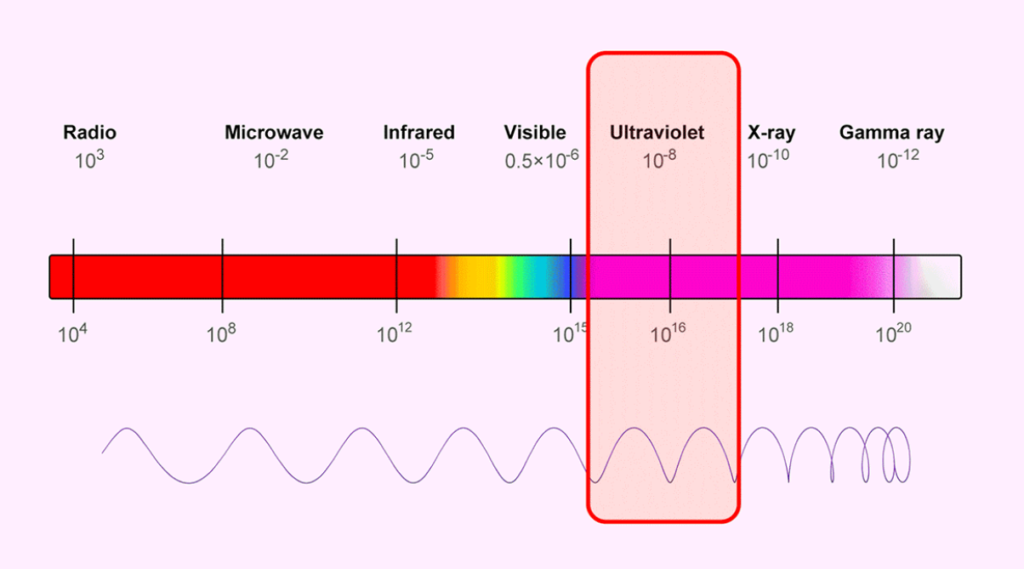
Lasers UV use a short-wavelength ultraviolet beam (typically around 355nm) created by frequency-tripling an infrared laser.
- Key Feature: “Cold marking” process with minimal thermal impact.
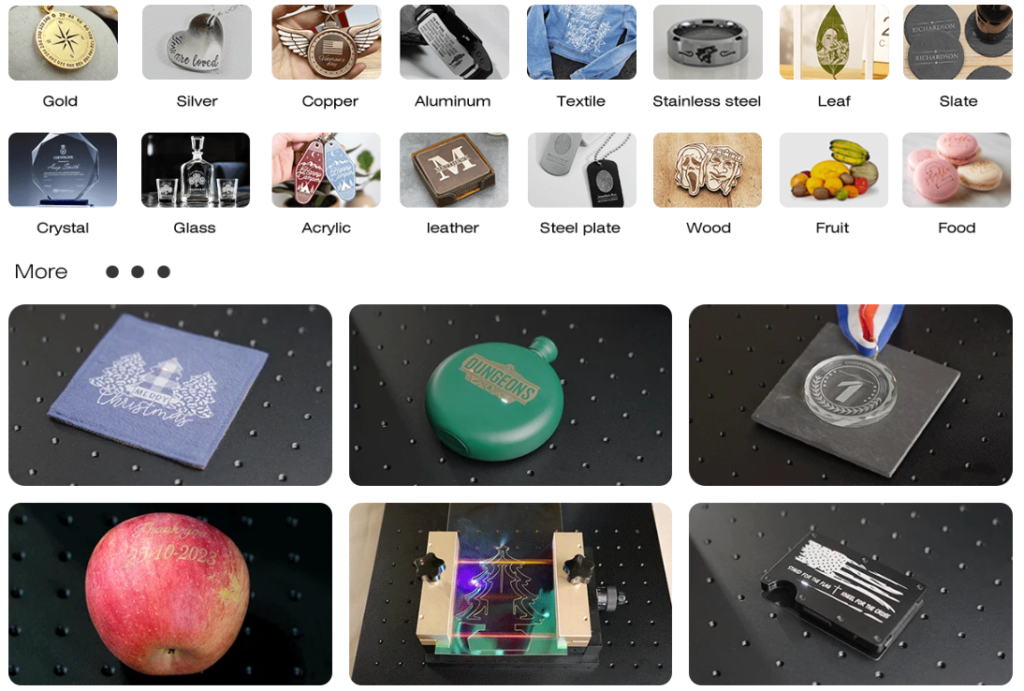
- Idéal pour: Sensitive materials like glass, Plastique, cuir, and thin metals.
Lasers à fibre
Fiber lasers generate light through optical fibers doped with rare-earth elements like ytterbium.
- Key Feature: Extremely high energy density and efficiency.
- Idéal pour: Hard metals (acier inoxydable, titane, laiton), pièces industrielles, bijoux, firearms.
Lasers CO₂
CO₂ lasers use gas discharge through carbon dioxide, azote, and helium to produce a long-wavelength beam (around 10,600nm).
- Key Feature: Excellent absorption in organic materials.
- Idéal pour: Bois, acrylique, verre, cuir, papier, et certains métaux revêtus.
2. Performance Comparison Table
| Fonctionnalité | Laser UV | Laser à fibre | Laser CO₂ |
|---|---|---|---|
| Longueur d'onde | 355 nm | 1064 nm | 10,600 nm |
| Marking Style | Ultra-fine, marquage à froid | Gravure profonde, fast marking | Cutting and engraving |
| Best Materials | Verre, plastiques, thin metals | Acier inoxydable, laiton, aluminium | Bois, acrylique, verre |
| Typical Use Cases | Électronique, dispositifs médicaux | Bijoux, outils, plaques signalétiques | Signalisation, décor, emballage |
| Fourchette | $$ | $$$ | $-$$ |
| Maintenance Needs | Low | Low | Moyen (optics cleaning) |
| Lifespan | ~20,000–30,000 hours | ~100,000 hours | ~10,000–20,000 hours |
3. Choosing Based on Your Application
If you mainly engrave industrial metals →
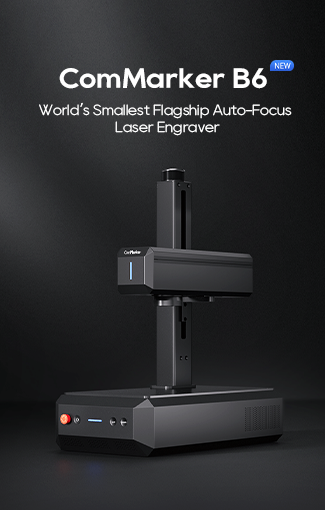
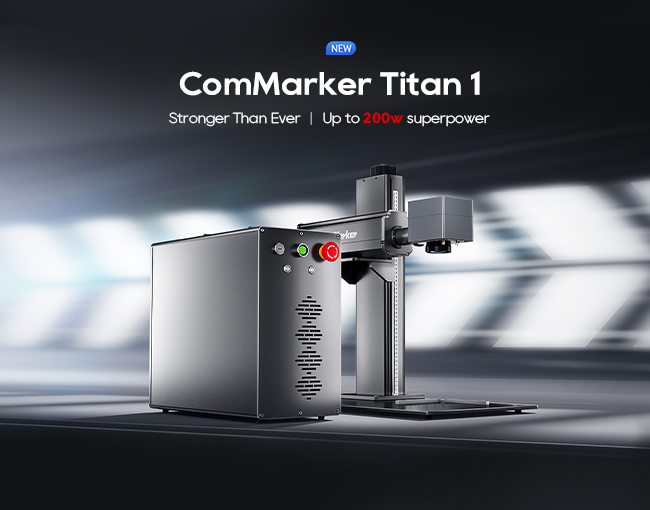
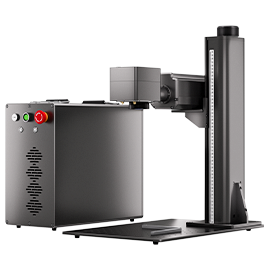
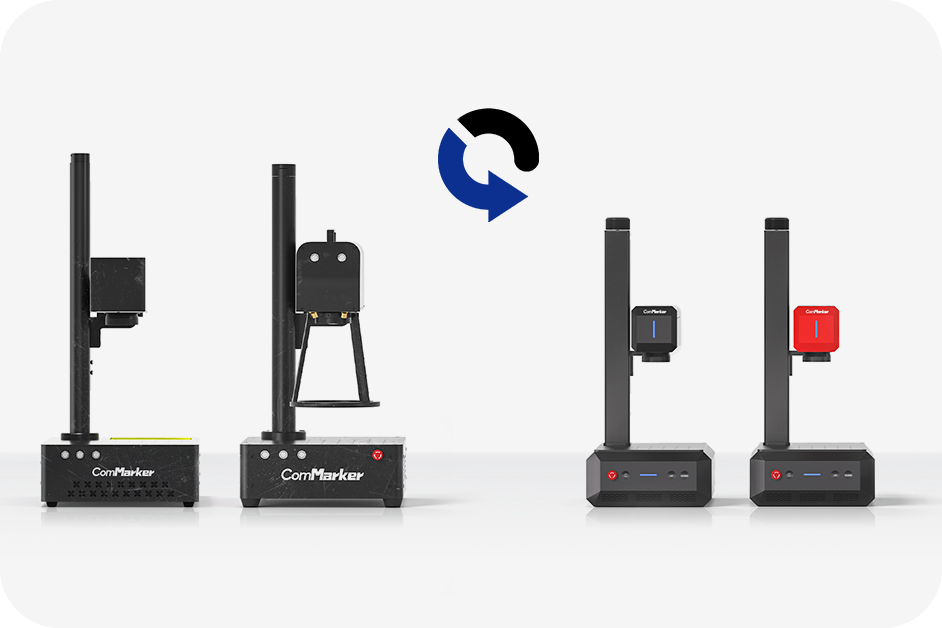
👉 Choose Fiber Laser (par exemple., ComMarker Titan 1 ou ComMarker B6).
- Deep engraving up to 1mm on stainless steel and brass.
- Perfect for custom parts, metal tags, bijoux, knives, and firearms.
If you focus on verrerie, plastiques, or detailed art →
👉 Choose UV Laser (par exemple., ComMarker Omni 1 UV).
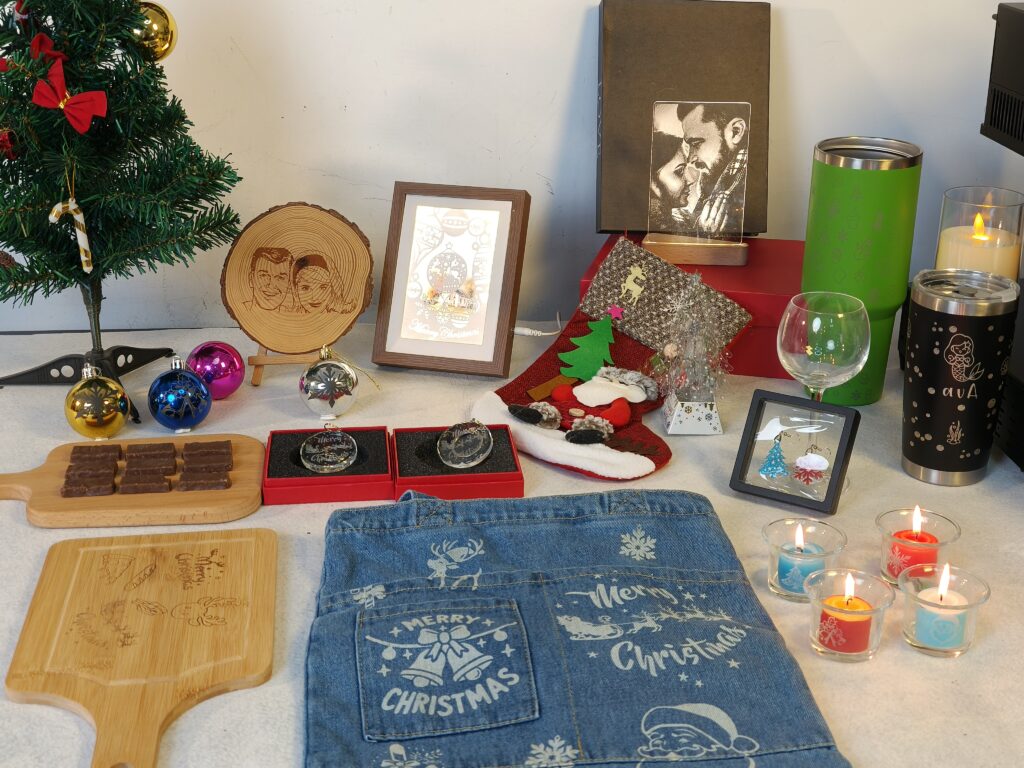
- Ideal for personalized wine glasses, trophées, intricate phone cases, and acrylic signage.
If you handle woodworking, large signs, or acrylic cutting →
👉 Choose CO₂ Laser (not currently offered by ComMarker, but good to know!).
- Great for furniture, récompenses, display boards, et de l'artisanat.
4. Why Fiber and UV Lasers are Growing Fast
Industry trends show fiber and UV lasers are dominating modern fabrication:
- 2024 Market Report: Fiber lasers now hold over 50% of the global laser equipment market.
- Durabilité: UV and fiber machines use less energy compared to traditional CO₂ lasers.
- Précision: Fiber and UV lasers offer micron-level precision necessary for next-gen electronics and medical products.
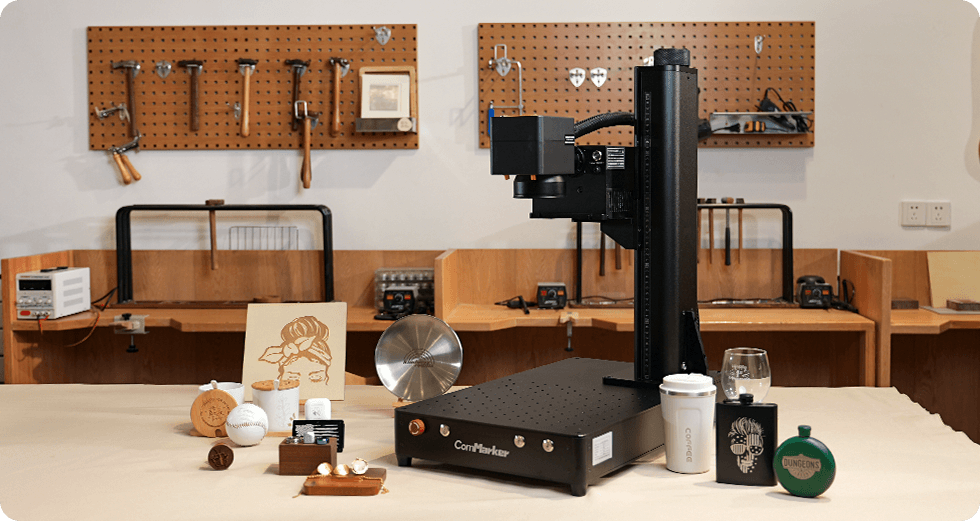
ComMarkerName leads in this space by offering highly reliable fiber and UV laser systems, complete with smart software integration (LightBurn/EZCad2), plug-and-play setups, and industry-leading warranties.
5. Product Spotlight: ComMarker Solutions
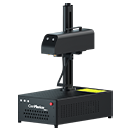
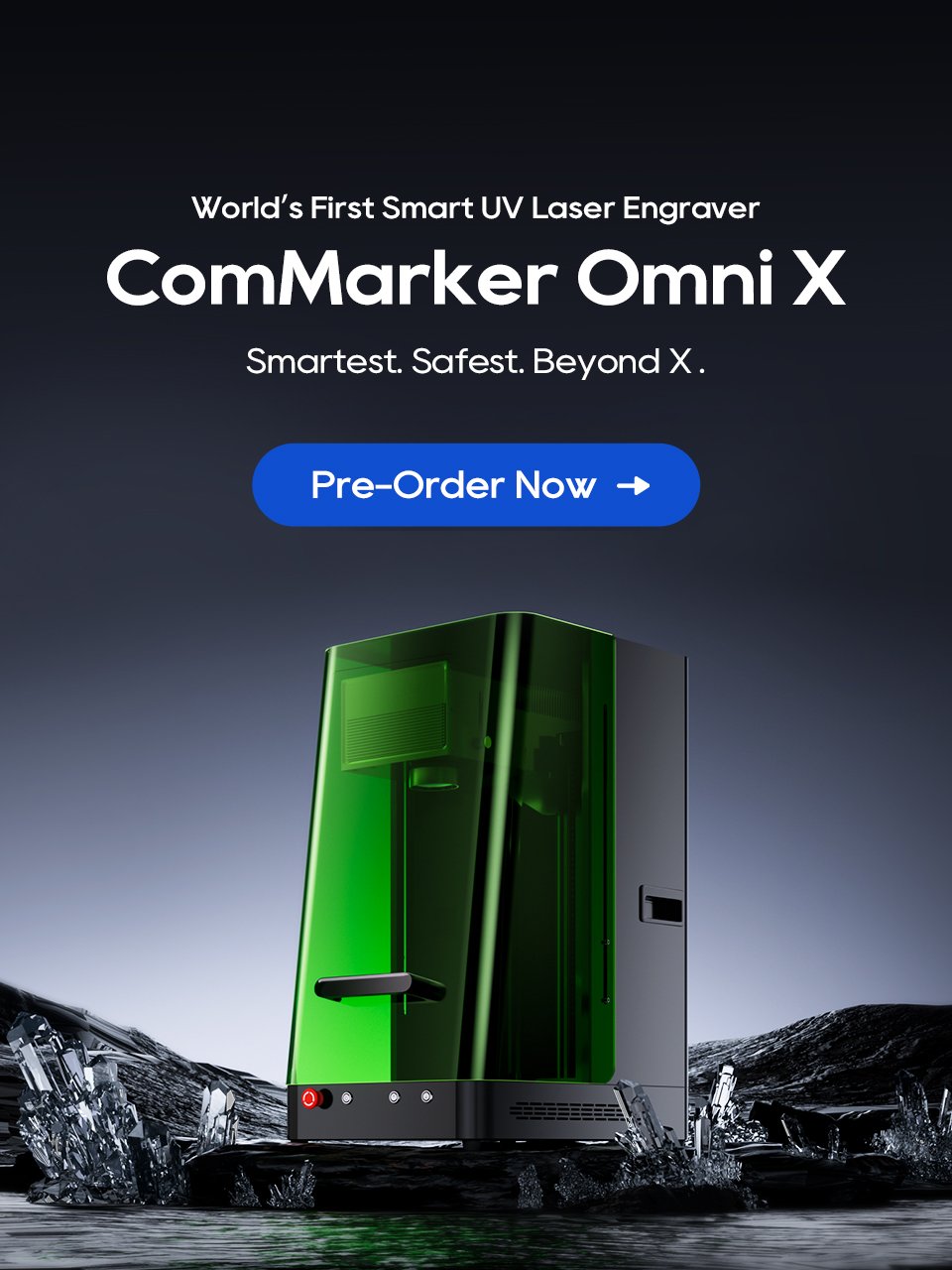
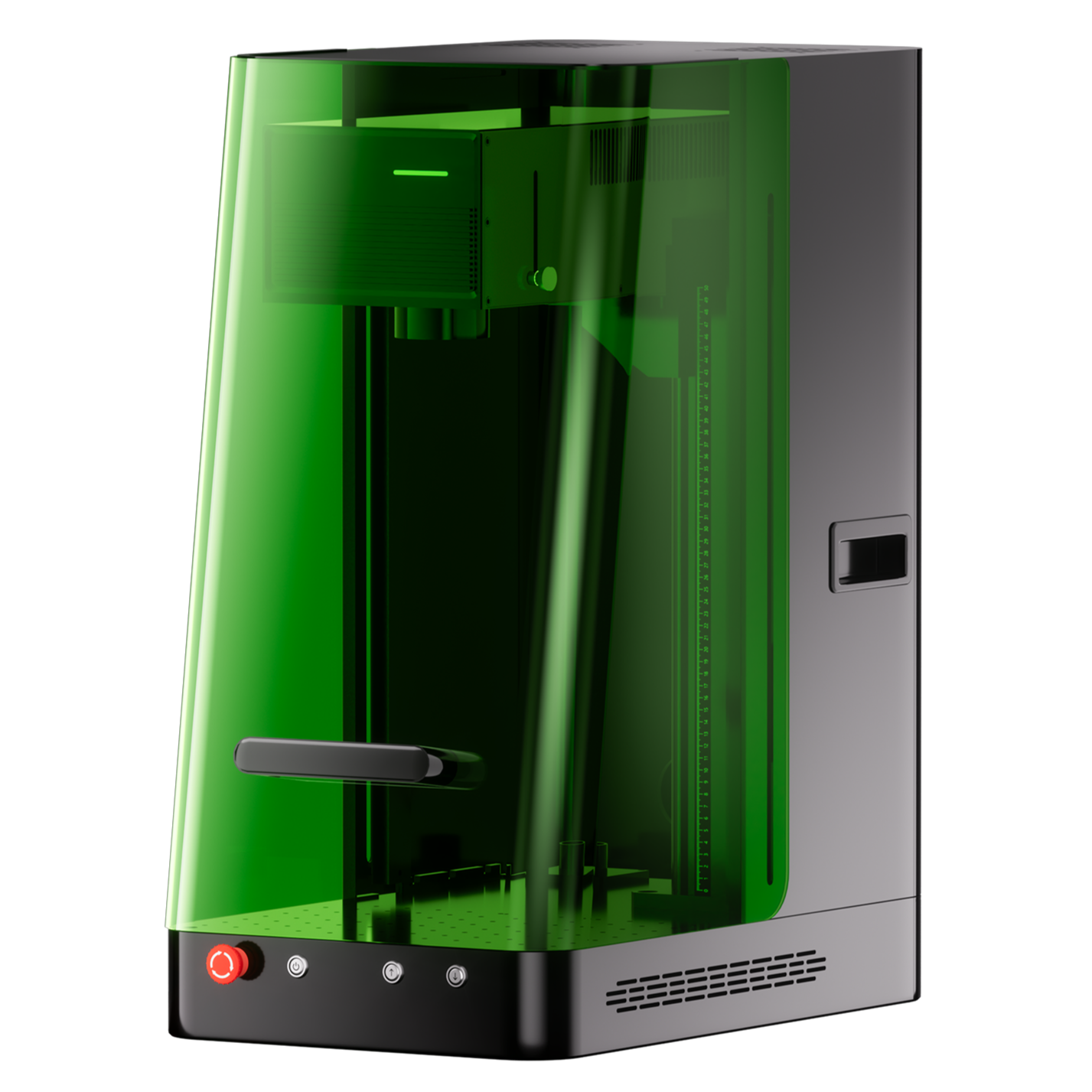
🔵 ComMarker Omni 1 Graveur laser UV
- Pouvoir: 5W–10W UV options
- Idéal pour: Acryliques, verre, cuir, fine jewelry.
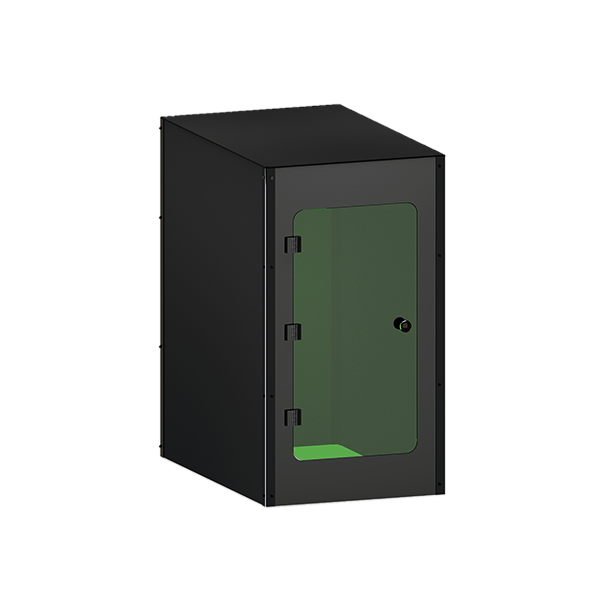
- Caractéristiques: 0.001précision mm, Classe 1 boîtier de sécurité, mise au point automatique, 16K HD engraving.
- Ideal Customers: Trophy shops, boutique gift businesses, precision manufacturers.
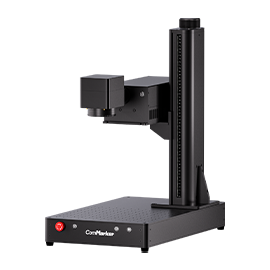
🟠 ComMarker Titan 1 Graveur laser à fibre
- Pouvoir: 20O, 30O, 50O, or 100W JPT MOPA fiber laser options.
- Idéal pour: Gravure en métal profond, color marking on stainless steel, pièces industrielles sur mesure.
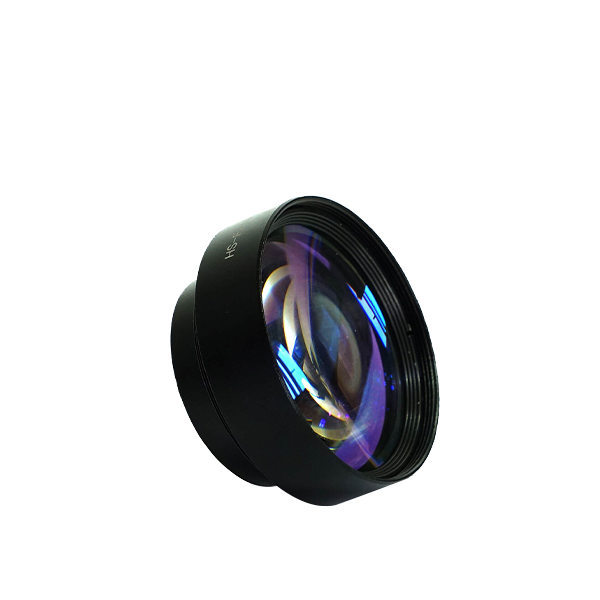
- Caractéristiques: Grande vitesse (jusqu'à 10,000 mm/s), longue durée de vie (~100,000 hours), modular lens options.
- Ideal Customers: Machine shops, bijoutiers, gun shops, aerospace suppliers.
6. Key Questions to Ask Before Choosing
- What materials will you engrave 80% of the time?
- Do you need deep cuts, marquage des surfaces, or intricate details?
- Is speed or precision more important for your workflow?
- How much shop space can you dedicate?
- What’s your initial and long-term budget?
Pour la pointe: Always plan 6–12 months ahead. If you plan to expand into new materials, choose a machine versatile enough to grow with you!
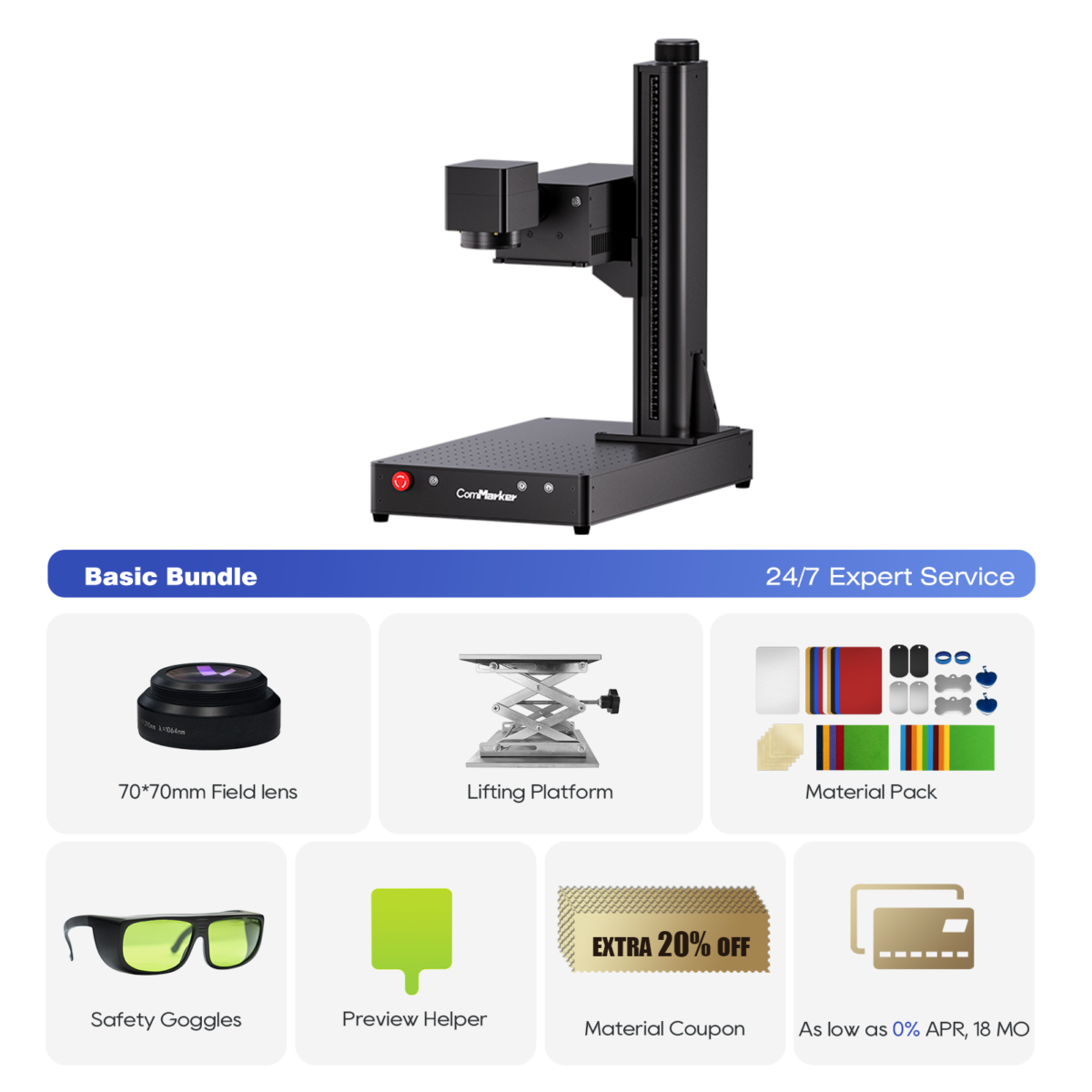
ComMarker Omni 1 Graveur laser
Laser de nouvelle génération pour débloquer tous les matériaux. Technologie de gravure ZeroBurn™ Le premier graveur laser HD 16K au monde Système de gravure SpeedMax™ 10 000 mm/s Déverrouillez tous les matériaux avec le laser UV Technologie thermique ColdFront™ Levage électrique avec 2 Objectifs en option compatibles avec le système de gravure rotative EZCAD et LightBurn à 360°
7. Find Your Perfect Match
No one laser fits every shop perfectly—but with the right match, your business can scale faster and serve more profitable markets.
✅ If you need to laser engrave metals with deep cuts or color → go Fibre (Titan 1 ou b6).
✅ If you need to engrave glass, acrylique, or detailed graphics → go UV (Omni 1).
✅ If you’re mainly cutting wood or acrylic → a CO₂ laser might be better suited.
Want expert help picking the best solution?
👉 Contact ComMarker’s team today for a free consultation—and unlock the full power of precision engraving for your shop!