



1. Introducere
The world of laser engraving is experiencing transformative growth as businesses adopt more advanced systems to meet the increasing demand for high-quality, produse personalizate. Among the various technologies available, CO₂ and fiber lasers have emerged as the primary contenders. With projections indicating significant shifts in market share between these technologies from 2025 la 2030, it’s essential for industry professionals and business owners to understand the strengths, weaknesses, and future potential of each.
This blog aims to provide a clear, data-driven comparison between fiber and CO₂ laser engravers. We’ll explore the underlying technologies, current market trends, and future growth projections, empowering you to make informed decisions about your investments in laser engraving technology.
2. Understanding the Technologies
2.1 What Are CO₂ Laser Engravers?
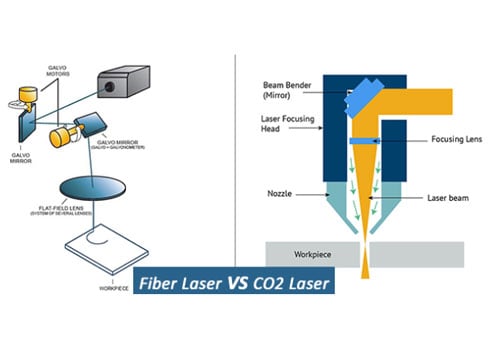
CO₂ lasers are one of the most established laser technologies in the engraving industry. Operating at a wavelength of approximately 10.6 µm, they are renowned for their ability to work effectively on non-metal materials such as wood, Piele, acril, si sticla. CO₂ laser engravers are favored for their versatility and the smooth, clean cuts they produce. in orice caz, when it comes to marking metals, they often require additional processes like coating to achieve desirable results.
2.2 What Are Fiber Laser Engravers?
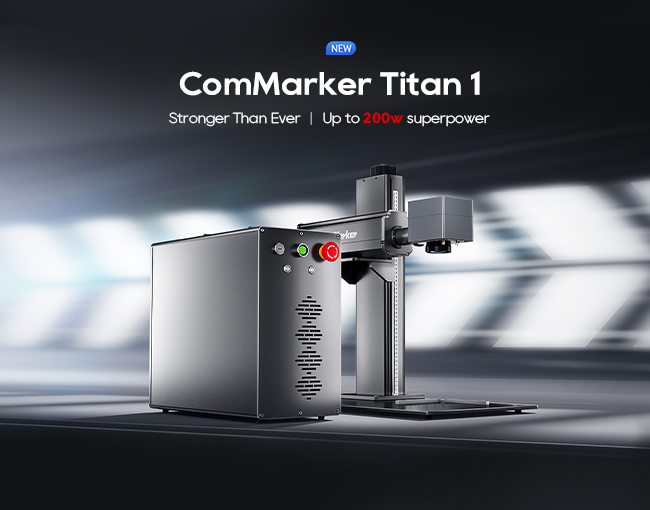
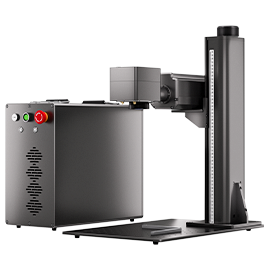
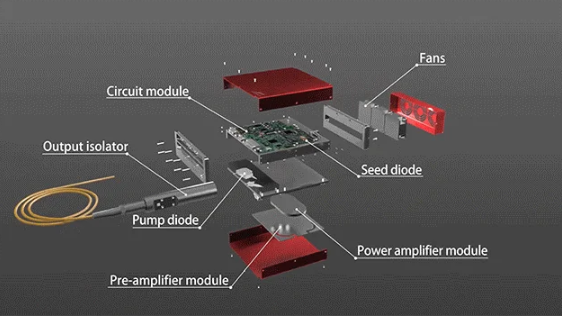
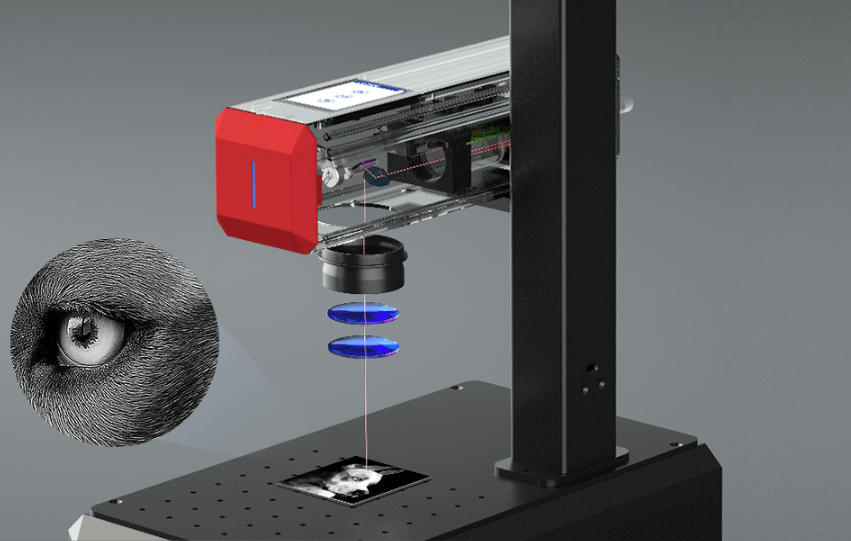
Fiber laser engravers utilize optical fibers doped with rare-earth elements to generate a laser beam, usually operating around 1064 nm. Known for their high power, precizie, and longevity, fiber lasers excel in engraving and cutting metals. Their beam quality allows for extremely fine details, making them ideal for industrial applications that demand deep, permanent markings on metals such as stainless steel, aluminiu, și alamă. Despite their higher initial cost, their operational efficiency and reduced maintenance often yield a better return on investment over time.
3. Market Share Trends: 2025-2030
3.1 Current Landscape and Key Drivers
The current market is divided between CO₂ and fiber laser engravers, with each technology finding its niche:
- CO₂ LASERS: Continue to dominate applications involving non-metal materials, particularly in creative industries and small-scale production.
- Lasere cu fibra: Are increasingly favored in industrial and high-volume manufacturing due to their robustness and superior metal marking capabilities.
Key drivers shaping this landscape include technological advancements, evolving consumer demands for personalized products, and the ongoing shift toward smart manufacturing and automation.
3.2 Growth Projections and Forecasts
According to industry reports from sources like Laser Focus World, the global market for laser engraving systems is expected to grow by over 15% annually între 2025 și 2030. Fiber laser systems, în special, are projected to capture a larger market share due to their superior performance in metal engraving—a critical factor in sectors such as automotive, aerospațială, and electronics.
The following chart (see interactive tool on our website) illustrates the projected market share shifts and growth rates:
| Year | CO₂ Laser Engraver Market Share | Fiber Laser Engraver Market Share |
|---|---|---|
| 2025 | 55% | 45% |
| 2027 | 50% | 50% |
| 2030 | 45% | 55% |
These projections indicate a steady shift in favor of fiber lasers, driven by their increasing adoption in high-end industrial applications and improved cost-effectiveness over time.
4. Advantages and Limitations
4.1 CO₂ LASERS: Strengths and Weaknesses
Puncte forte:
- Versatilitate: Excellent for engraving non-metal materials such as wood, Piele, acril, si sticla.
- Cost-Eficient: Generally lower upfront costs compared to fiber lasers.
- Smooth Finishing: Produces clean, detailed cuts ideal for artistic and creative applications.
Weaknesses:
- Limited Metal Marking: Not as effective on metals without additional processes.
- Thermal Effects: May cause heat damage if not properly controlled, leading to material carbonization.
- întreținere: Requires regular cleaning and maintenance of optical components.
4.2 Lasere cu fibra: Strengths and Weaknesses
Puncte forte:
- High Power and Precision: Ideal for deep, permanent markings on metals.
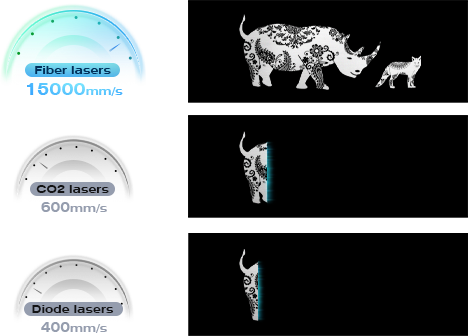
- Eficienţă: Lower maintenance costs and higher durability due to fewer moving parts.
- Superior Quality: Delivers consistent, high-contrast engravings even on challenging materials.
Weaknesses:
- Cost mai mare: More expensive upfront, though offset by long-term benefits.
- Material Limitations: Primarily suited for metals; not as effective for non-metal materials.
- Complexity: May require more technical expertise for optimal operation.
5. Impact on Industry Applications
5.1 Industrial and Manufacturing Sectors
Fiber lasers are rapidly becoming the standard in industries that require durable, high-precision marking on metals. They are extensively used in:
- Automotive: For marking parts, numere de serie, și logo-uri.
- Aerospace: For engraving critical identification marks on metal components.
- Electronică: For high-precision marking on circuit boards and metal casings.
5.2 Customization and E-Commerce
For creative businesses and e-commerce platforms, CO₂ lasers remain popular due to their versatility in handling a wide range of materials:
- Cadouri personalizate: Custom-engraved items such as jewelry, home décor, and promotional products.
- Artă și meșteșug: Producing intricate designs that capture the essence of a brand or artistic vision.
- Fabricare la scară mică: Enabling businesses to offer unique, custom products that drive consumer engagement and loyalty.
6. Key Market Drivers and Future Trends
6.1 Technological Advancements
Recent innovations in laser technology—such as improved cooling systems, enhanced optical designs, and smarter calibration tools—are reducing operational costs and increasing production efficiency. Laser cu fibră, în special, are benefiting from these advancements, making them increasingly attractive for industrial applications.
6.2 Sustainability and Energy Efficiency
With the growing emphasis on green manufacturing, energy efficiency has become a critical factor. Fiber lasers tend to be more energy-efficient, reducing both operational costs and environmental impact. As regulations tighten and consumer demand for sustainable products grows, manufacturers will favor laser systems that support eco-friendly production.
7. Strategic Recommendations for Businesses
7.1 Evaluează -ți nevoile de producție
Evaluate your current production volume, material requirements, and desired engraving quality. If your primary focus is on metal engraving for industrial use, fiber lasers might be the best investment. Invers, if you work predominantly with non-metal materials, a CO₂ laser engraver could be more cost-effective.
7.2 Consider Your Budget and ROI
Factor in the initial cost, operating expenses, and potential return on investment. Although fiber lasers have a higher upfront cost, their durability and efficiency often lead to greater long-term savings, especially in high-volume production environments.
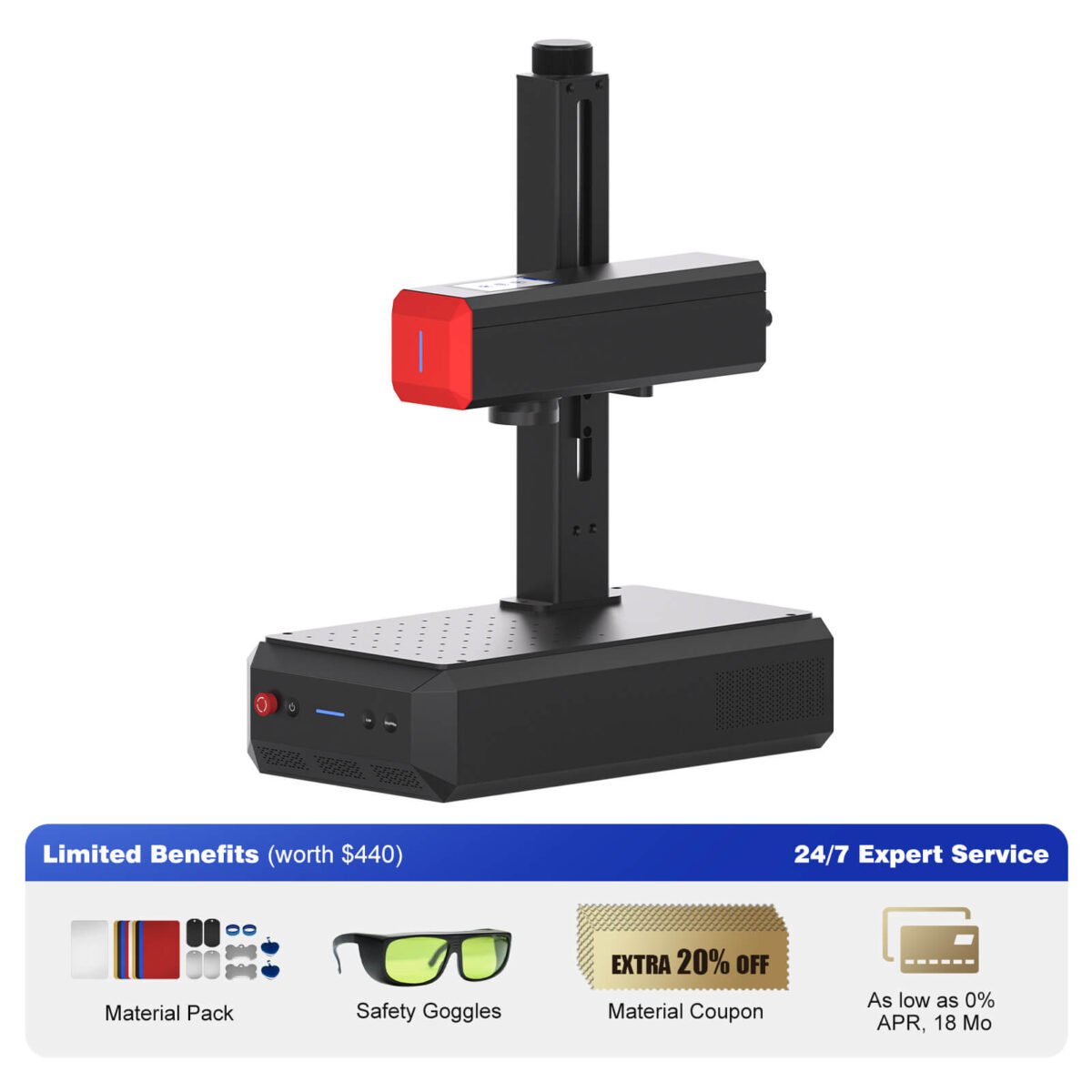
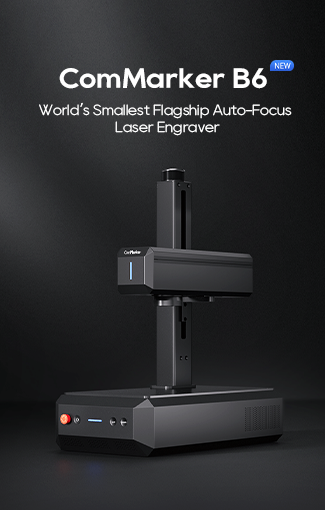
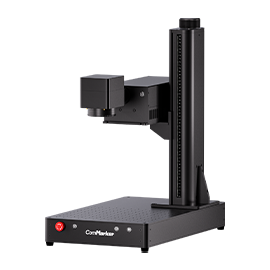
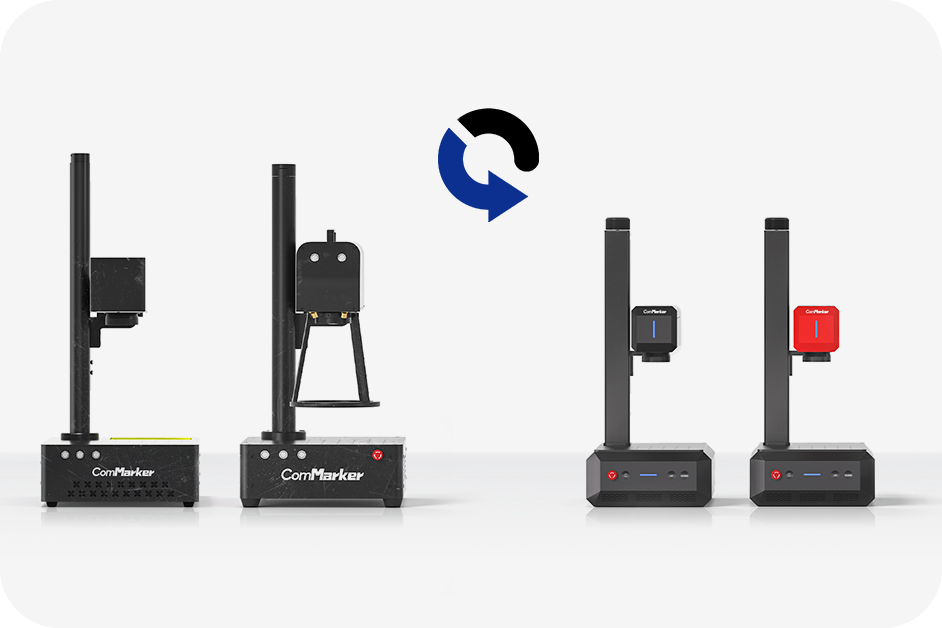
Gravoare laser cu fibră ComMarker B6 JPT MOPA
Bine ați venit în era gravurii colorate inteligente. Abilitatea de marcare a culorilor compacte de dimensiuni compacte & Capacitate de tăiere 2-in-1 Design Tehnologie auto-focus
8. Concluzie
- Technology Shift: Din 2025 la 2030, the market is expected to favor fiber laser engravers due to their superior performance in metal marking.
- Application Specificity: CO₂ lasers remain ideal for non-metal applications, especially in creative industries.
- Creșterea pieței: The global demand for laser engraving systems is projected to increase significantly, driven by automation and customization trends.